




Are there any health concerns with pickle jars?
 Oct 27, 2025|
When it comes to the world of pickles, the container in which they are stored plays a crucial role. As a pickle jar supplier, I've often been asked about the health concerns associated with pickle jars. In this blog post, we'll delve into the various aspects of pickle jars and explore whether there are any legitimate health worries.
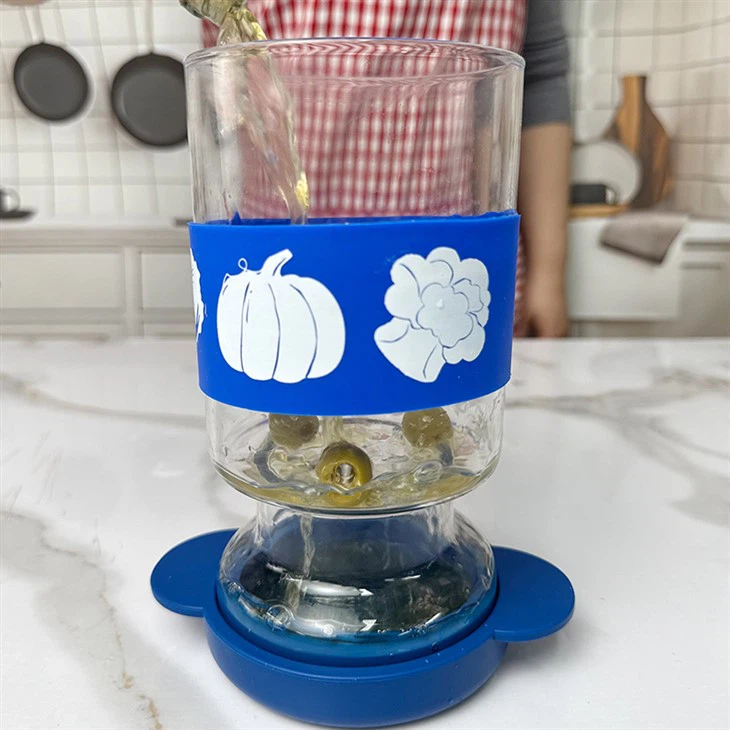

Material Composition of Pickle Jars
Most pickle jars are made of glass or plastic. Let's start with glass jars. Glass is a non - porous material, which means it doesn't absorb any of the pickle brine or the flavors of the pickles themselves. This is a major advantage from a health perspective. Glass is also chemically inert, so it won't react with the acidic brine that pickles are typically stored in. This ensures that no harmful chemicals leach into the pickles, keeping them safe for consumption.
On the other hand, plastic pickle jars are also quite common. The type of plastic used in food - grade containers is carefully regulated. High - density polyethylene (HDPE) and polypropylene (PP) are two plastics commonly used for pickle jars. These plastics are considered safe for food contact as they are resistant to chemical leaching under normal conditions. However, it's important to note that over time, if plastic jars are exposed to high temperatures or harsh chemicals, there is a potential risk of chemical migration. For example, if a plastic pickle jar is left in a hot car for an extended period, the heat could cause some of the plasticizers to leach into the pickles. But in normal household storage conditions, the risk is minimal.
Cleaning and Sanitization
Proper cleaning and sanitization of pickle jars are essential to prevent the growth of harmful bacteria. When pickles are first packed into jars at the factory, the jars go through a rigorous cleaning and sterilization process. This usually involves washing with hot water and detergents, followed by a sanitization step using chemicals like chlorine or peracetic acid. These steps ensure that the jars are free from any pathogens that could spoil the pickles or cause health problems.
Once the jars are in the hands of consumers, it's important that they are reused properly. If a consumer wants to reuse a pickle jar for storing other foods or making their own pickles, they should clean the jar thoroughly. First, remove any remaining pickle bits and rinse the jar with warm water. Then, wash it with a mild dish soap and a brush to get into all the nooks and crannies. After washing, rinse the jar well to remove all the soap residue. Finally, sanitize the jar by boiling it in water for a few minutes or using a food - safe sanitizing solution.
Seal Integrity
The seal of a pickle jar is another important factor to consider from a health perspective. A proper seal prevents air and bacteria from entering the jar, which helps to preserve the pickles and keep them safe. Most pickle jars come with a metal lid that has a rubber gasket. When the jar is sealed correctly, the gasket creates an airtight barrier.
If the seal is compromised, it can lead to spoilage of the pickles. Signs of a bad seal include a loose lid, a bulging lid, or a hissing sound when the lid is opened. If any of these signs are present, it's best not to consume the pickles as they may have been contaminated with harmful bacteria such as Clostridium botulinum, which can cause botulism, a serious and potentially life - threatening illness.
BPA Concerns
Bisphenol A (BPA) is a chemical that was once commonly used in the production of some plastics and the lining of metal cans. There have been concerns about the potential health effects of BPA, as it can mimic the hormone estrogen in the body and may have adverse effects on the endocrine system.
However, in recent years, many pickle jar manufacturers have switched to BPA - free materials. As a supplier, I can assure you that the jars we provide are BPA - free. This means that consumers can enjoy their pickles without having to worry about the potential health risks associated with BPA exposure.
Impact on the Environment and Health
While not a direct health concern in terms of the pickles themselves, the environmental impact of pickle jars can have an indirect effect on health. Glass jars are recyclable, which is great for the environment. Recycling glass reduces the need for new raw materials and energy consumption in the manufacturing process. On the other hand, plastic jars, while some are recyclable, often end up in landfills. This can contribute to environmental pollution, which can have long - term health effects on humans through air and water contamination.
As a supplier, we encourage consumers to recycle our pickle jars. We also offer a range of innovative pickle jars, such as the Pickle Jar with Strainer Flip, which is designed for easy use and is made from recyclable materials. Our Pickle Jar 42 Oz is another popular option that is both practical and environmentally friendly.
Conclusion
In conclusion, while there are some potential health concerns associated with pickle jars, these can be easily managed. By choosing the right material, ensuring proper cleaning and sanitization, checking the seal integrity, and using BPA - free products, consumers can safely enjoy their pickles.
As a pickle jar supplier, I'm committed to providing high - quality, safe, and environmentally friendly products. If you're a food manufacturer, retailer, or simply someone interested in purchasing pickle jars in bulk, I invite you to reach out for a procurement discussion. We can offer customized solutions to meet your specific needs and ensure that your pickles are stored in the best possible containers.
References
- American Chemistry Council. (n.d.). Food - Contact Plastics: A Primer.
- Centers for Disease Control and Prevention. (2023). Botulism.
- Food and Drug Administration. (2023). Bisphenol A (BPA) in Food Contact Applications.