




Are there any limitations to the types of containers a batter dispenser can use?
 Jun 18, 2025|
 As a seasoned supplier of batter dispensers, I've encountered numerous inquiries regarding the types of containers these versatile tools can accommodate. The question of limitations in container usage is a crucial one for businesses and individuals seeking to streamline their batter dispensing processes. In this blog post, I'll delve into the factors that influence a batter dispenser's compatibility with different containers, exploring both the possibilities and the constraints.
Understanding the Basics of Batter Dispensers
Before we dive into the container limitations, it's essential to understand how batter dispensers work. These devices are designed to hold and dispense batter in a controlled manner, typically using a pump or a squeeze mechanism. They come in various sizes and styles, each tailored to specific types of batter and dispensing needs. Some batter dispensers are designed for thin, runny batters, while others can handle thicker, more viscous mixtures.
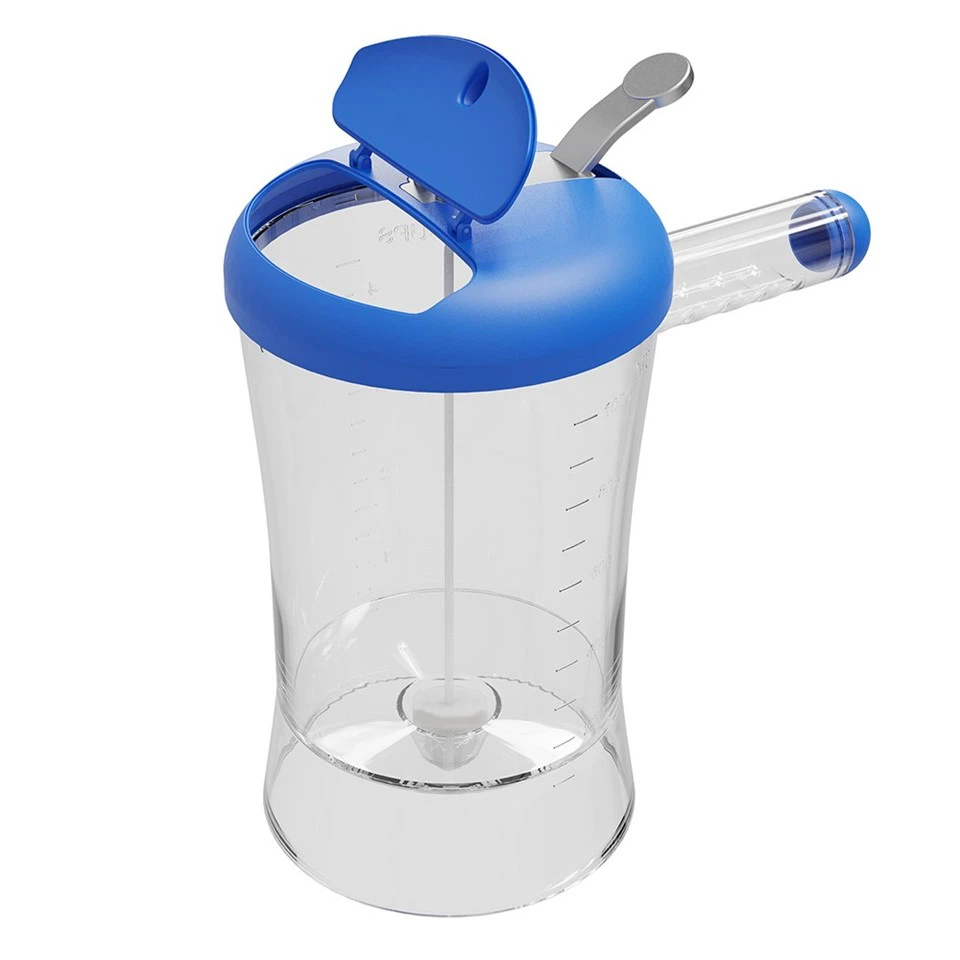
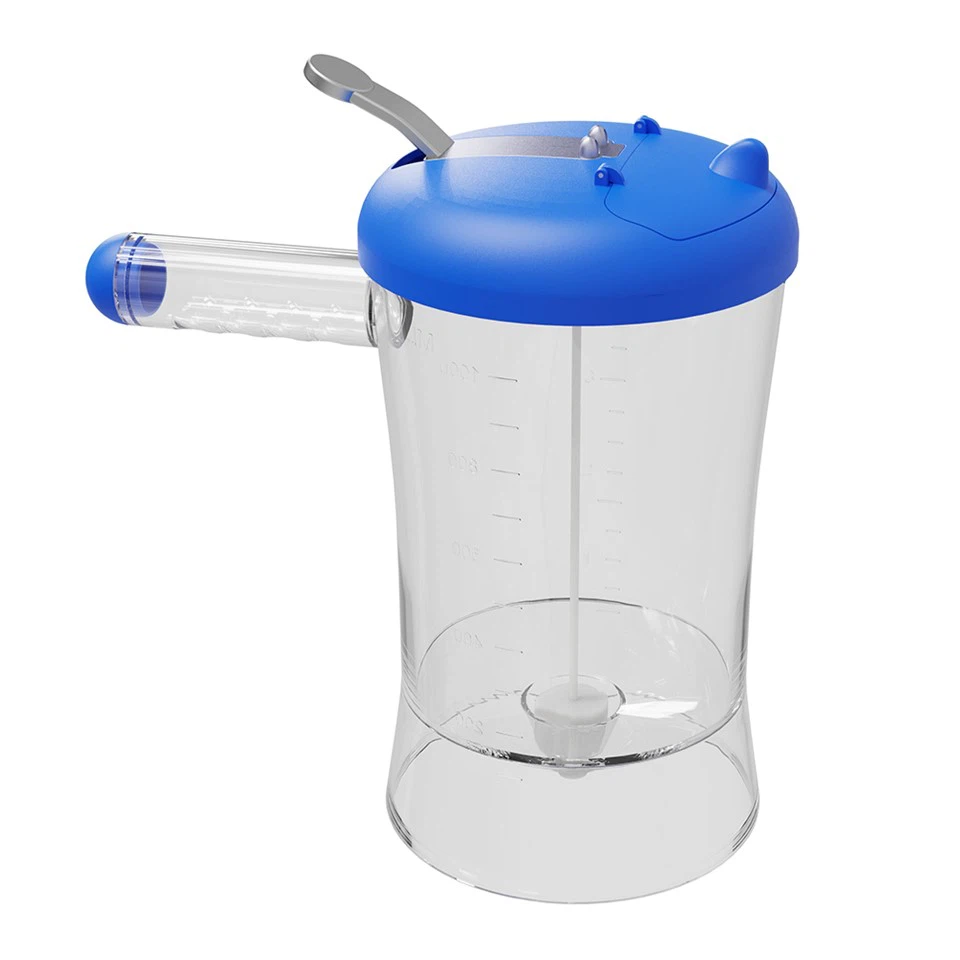
The key components of a batter dispenser include the container, the dispensing mechanism, and the nozzle. The container is where the batter is stored, and its design and material can significantly impact the dispenser's performance. The dispensing mechanism is responsible for moving the batter from the container to the nozzle, and it can vary depending on the type of dispenser. The nozzle is the point where the batter is released, and its size and shape can affect the flow rate and the pattern of the dispensed batter.
Factors Affecting Container Compatibility
Several factors determine whether a batter dispenser can use a particular container. These factors include the size and shape of the container, the material it's made of, and the viscosity of the batter. Let's take a closer look at each of these factors:
Size and Shape
The size and shape of the container are crucial considerations when choosing a batter dispenser. Most batter dispensers are designed to fit specific container sizes and shapes, so it's essential to ensure that the container you plan to use is compatible with the dispenser. Some dispensers are adjustable and can accommodate a range of container sizes, while others are more limited in their compatibility.
In general, the container should be large enough to hold an adequate amount of batter but not so large that it becomes difficult to handle. The shape of the container should also be considered, as some dispensers may work better with round containers, while others are more suitable for square or rectangular ones. Additionally, the container should have a wide enough opening to allow for easy filling and cleaning.
Material
The material of the container can also affect its compatibility with a batter dispenser. Most batter dispensers are designed to work with containers made of plastic, glass, or stainless steel. These materials are durable, easy to clean, and resistant to corrosion. However, some dispensers may be more sensitive to the type of material used, so it's important to check the manufacturer's recommendations before using a container made of a different material.
Plastic containers are lightweight and inexpensive, making them a popular choice for many applications. However, they may not be as durable as glass or stainless steel containers and may be more prone to cracking or breaking. Glass containers are more durable and resistant to scratches, but they are also heavier and more fragile. Stainless steel containers are the most durable and resistant to corrosion, but they can be more expensive.
Viscosity of the Batter
The viscosity of the batter is another important factor to consider when choosing a container for a batter dispenser. Batter can range from thin and runny to thick and viscous, and different dispensers are designed to handle different viscosities. Some dispensers are better suited for thin batters, while others can handle thicker, more viscous mixtures.
If the batter is too thin, it may flow too quickly through the dispenser, making it difficult to control the dispensing process. On the other hand, if the batter is too thick, it may not flow through the dispenser at all, or it may require excessive force to dispense. Therefore, it's important to choose a dispenser that is compatible with the viscosity of the batter you plan to use.
Types of Containers Commonly Used with Batter Dispensers
Now that we've discussed the factors that affect container compatibility, let's take a look at the types of containers commonly used with batter dispensers:
Plastic Containers
Plastic containers are one of the most popular choices for batter dispensers. They are lightweight, inexpensive, and come in a variety of sizes and shapes. Plastic containers are also easy to clean and can be reused multiple times. However, they may not be as durable as glass or stainless steel containers and may be more prone to cracking or breaking.
Batter Dispenser with Durable Handle is a great option for use with plastic containers. Its durable handle provides a comfortable grip, making it easy to dispense batter from plastic containers of various sizes.
Glass Containers
Glass containers are another popular choice for batter dispensers. They are more durable and resistant to scratches than plastic containers and can be reused multiple times. Glass containers are also transparent, which allows you to easily see the level of batter inside the container. However, they are heavier and more fragile than plastic containers and may be more expensive.
Stainless Steel Containers
Stainless steel containers are the most durable and resistant to corrosion of all the container materials. They are also easy to clean and can be reused multiple times. Stainless steel containers are a popular choice for commercial applications, as they can withstand heavy use and are less likely to break or crack. However, they are more expensive than plastic and glass containers.
Thick Batter Dispenser is designed to handle thick, viscous batters and is compatible with stainless steel containers. Its powerful dispensing mechanism ensures that even the thickest batters can be dispensed easily and efficiently.
Limitations of Container Usage
While batter dispensers are designed to be versatile and compatible with a wide range of containers, there are some limitations to their container usage. These limitations include:
Pressure and Flow Rate
Some batter dispensers rely on pressure to dispense the batter, and the container's design can affect the pressure and flow rate. If the container is too small or too large, it may not provide enough pressure to dispense the batter effectively. Additionally, if the container has a narrow opening or a long neck, it may restrict the flow of batter and make it difficult to dispense.
Compatibility with Dispensing Mechanisms
Different batter dispensers use different dispensing mechanisms, such as pumps, squeezes, or gravity-fed systems. Some containers may not be compatible with certain dispensing mechanisms, which can limit their usability. For example, a container with a wide opening may not work well with a squeeze-type dispenser, as it may be difficult to apply enough pressure to dispense the batter.
Cleaning and Maintenance
The container's design can also affect its cleaning and maintenance requirements. Some containers may be difficult to clean, especially if they have a complex shape or a narrow opening. Additionally, if the container is made of a porous material, it may absorb batter and be more difficult to clean thoroughly.
Conclusion
In conclusion, while batter dispensers are versatile tools that can be used with a variety of containers, there are some limitations to their container usage. The size, shape, material, and viscosity of the batter all play a role in determining a batter dispenser's compatibility with a particular container. By understanding these factors and choosing the right container for your needs, you can ensure that your batter dispenser works efficiently and effectively.
If you're in the market for a batter dispenser or have any questions about container compatibility, please don't hesitate to [contact us for procurement and further discussion]. Our team of experts is here to help you find the perfect solution for your batter dispensing needs.
References
- Food Service Equipment and Supplies Association. (n.d.). Batter Dispensers. Retrieved from [Website URL]
- Restaurant.org. (n.d.). Guide to Batter Dispensers. Retrieved from [Website URL]