




How accurate is a batter dispenser in portion control?
 Jan 12, 2026|
 Portion control is a critical aspect in various industries, especially in food service and manufacturing. A batter dispenser plays a significant role in achieving accurate portion control. As a batter dispenser supplier, I have witnessed firsthand the importance of precision in this equipment. In this blog, we will explore how accurate a batter dispenser can be in portion control and the factors that influence its accuracy.
Understanding the Basics of a Batter Dispenser
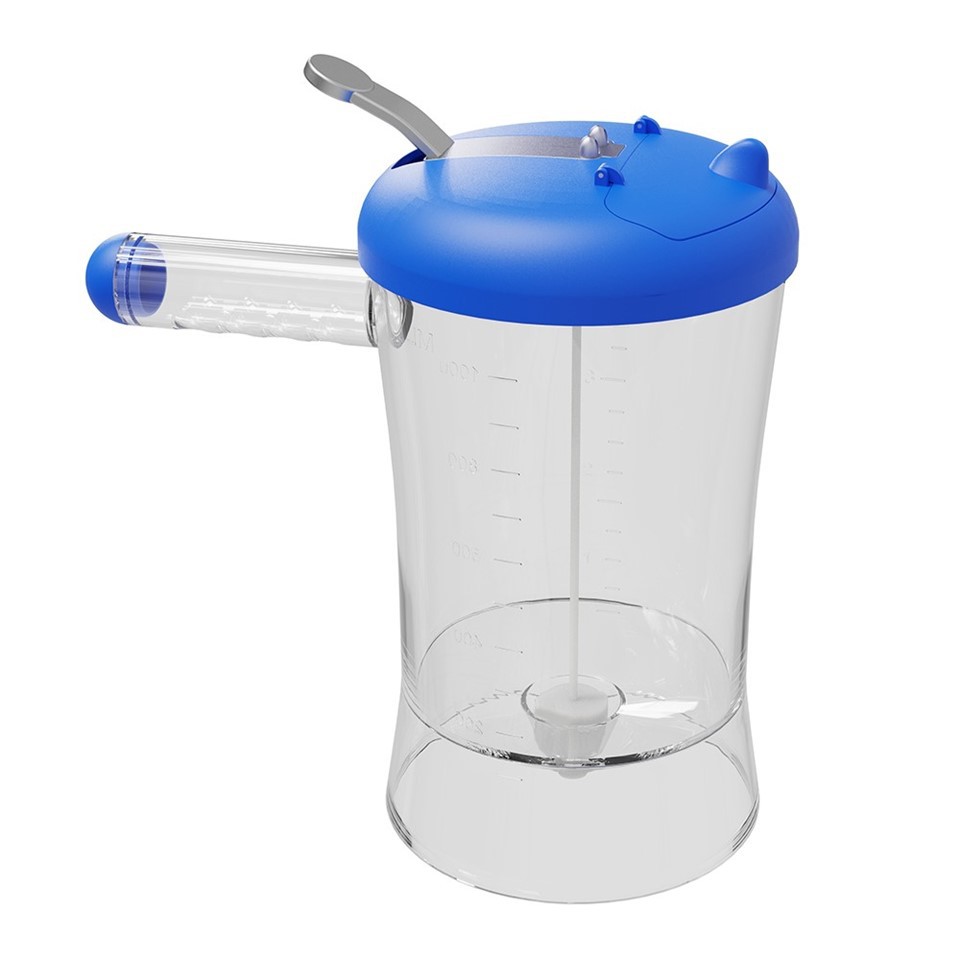
A batter dispenser is a device designed to dispense a specific amount of batter consistently. It comes in various types and designs, each tailored to different needs. For instance, the Thick Batter Dispenser is specifically engineered to handle thick batters, while the Batter Dispenser with Durable Handle offers ease of use and durability.
The primary function of a batter dispenser is to ensure that each portion of batter is of a uniform size. This is crucial in food production, as it directly affects the quality and consistency of the final product. For example, in a bakery, if the amount of cake batter dispensed into each mold varies, the cakes will have different sizes and baking times, leading to inconsistent results.
Factors Affecting the Accuracy of a Batter Dispenser
Several factors can influence the accuracy of a batter dispenser in portion control. Understanding these factors is essential for ensuring optimal performance.
1. Design and Construction
The design and construction of the batter dispenser play a vital role in its accuracy. A well - designed dispenser will have a precise metering system that can accurately measure and dispense the batter. For example, some dispensers use piston - based systems, which can provide highly accurate portioning. The quality of materials used in the construction also matters. A dispenser made from high - quality, non - reactive materials will be more reliable and less likely to malfunction, ensuring consistent portion control over time.
2. Viscosity of the Batter
The viscosity of the batter is another crucial factor. Thick batters are more difficult to dispense accurately than thin ones. The Thick Batter Dispenser is designed to address this issue by having a more powerful pumping mechanism or a larger opening to allow the thick batter to flow smoothly. If the dispenser is not suitable for the viscosity of the batter, it may lead to inconsistent portion sizes, either dispensing too much or too little batter.

3. Operator Skill
The skill of the operator can also impact the accuracy of the batter dispenser. An experienced operator will know how to adjust the dispenser settings correctly and handle the equipment properly. For example, they will be able to set the correct dispensing speed and pressure, which are essential for accurate portion control. Training operators on the proper use of the batter dispenser can significantly improve its accuracy.
4. Maintenance and Calibration
Regular maintenance and calibration are necessary to keep the batter dispenser operating accurately. Over time, the components of the dispenser may wear out or become misaligned, which can affect its performance. Calibration ensures that the dispenser is dispensing the correct amount of batter. For example, if the dispenser is supposed to dispense 100 grams of batter per portion, calibration will verify and adjust this setting as needed.
Measuring the Accuracy of a Batter Dispenser
To measure the accuracy of a batter dispenser, several methods can be used.
1. Weight Measurement
One of the most common methods is to measure the weight of the dispensed batter. This involves using a precise scale to weigh each portion of batter dispensed by the dispenser. By comparing the actual weight of the batter with the desired weight, the accuracy of the dispenser can be determined. If the variation in weight between different portions is within an acceptable range, the dispenser is considered accurate.
2. Volume Measurement
Volume measurement can also be used, especially for batters where volume is the more relevant measure. This can be done using graduated containers. However, volume measurement may be less accurate than weight measurement, as the density of the batter can vary.
3. Statistical Analysis
Statistical analysis can provide a more comprehensive assessment of the dispenser's accuracy. By collecting data on multiple dispensed portions and analyzing the mean, standard deviation, and other statistical parameters, a more accurate picture of the dispenser's performance can be obtained. A low standard deviation indicates high accuracy, as it means that the dispensed portions are consistent.
Real - World Applications and Benefits of Accurate Portion Control
Accurate portion control using a batter dispenser has numerous benefits in real - world applications.
1. Food Service Industry
In the food service industry, such as restaurants and bakeries, accurate portion control ensures consistency in the quality of the food served. Customers expect a certain size and quality of their meals, and a batter dispenser helps achieve this. It also helps in cost control, as it reduces waste by ensuring that the right amount of batter is used for each dish.
2. Food Manufacturing
In food manufacturing, accurate portion control is essential for mass - producing consistent products. For example, in a cookie factory, a batter dispenser ensures that each cookie has the same amount of batter, resulting in uniform cookies in terms of size, shape, and taste. This is crucial for brand reputation and customer satisfaction.
3. Health and Nutrition
Accurate portion control is also important from a health and nutrition perspective. In the production of healthy food products, such as low - calorie muffins or diet bars, a batter dispenser can help control the amount of ingredients, ensuring that the products meet the specified nutritional requirements.
Improving the Accuracy of a Batter Dispenser
As a batter dispenser supplier, I understand the importance of helping our customers improve the accuracy of their dispensers. Here are some tips:
1. Choose the Right Dispenser
Select a dispenser that is suitable for the type and viscosity of the batter you are using. The Thick Batter Dispenser is a great option for thick batters, while the Batter Dispenser with Durable Handle is ideal for general use with various viscosities.
2. Train Your Operators
Provide comprehensive training to your operators on the proper use and calibration of the batter dispenser. This will ensure that they can operate the equipment accurately and make any necessary adjustments.
3. Implement a Maintenance Schedule
Establish a regular maintenance schedule for the batter dispenser. This includes cleaning the dispenser after each use, lubricating moving parts, and replacing worn - out components. Regular calibration should also be part of the maintenance routine.
Conclusion
In conclusion, a batter dispenser can be highly accurate in portion control if the right design, appropriate maintenance, and skilled operation are in place. The accuracy of a batter dispenser depends on multiple factors, including design, batter viscosity, operator skill, and maintenance. Measuring the accuracy can be done through weight or volume measurement and statistical analysis.
Accurate portion control using a batter dispenser has far - reaching benefits in the food service and manufacturing industries, as well as in health and nutrition. As a batter dispenser supplier, we are committed to helping our customers achieve the highest level of accuracy in their portion control needs.
If you are interested in improving your portion control processes with our high - quality batter dispensers, we encourage you to get in touch with us to discuss your specific requirements and explore the best solutions for your business.
References
- [Name of a relevant book on food processing equipment]
- [Name of a scientific journal article on portion control in the food industry]
- [Research report on the accuracy of batter dispensers]