




How does a deli meat slicer work?
 Jul 08, 2025|
 Deli meat slicers are indispensable tools in delis, restaurants, and even home kitchens for achieving precise and consistent slices of various meats, cheeses, and other food items. As a deli meat slicer supplier, I am excited to share with you how these remarkable machines work and why they are a must - have for any food service establishment.
The Basic Components of a Deli Meat Slicer
Before delving into how a deli meat slicer works, it's essential to understand its key components.
- Blade: The blade is the heart of the slicer. It is typically a large, circular disc made of high - quality stainless steel or carbon steel. The sharpness of the blade is crucial for clean and even slices. A dull blade can tear the meat, resulting in uneven pieces and a less professional appearance.
- Motor: The motor provides the power to rotate the blade. Motors in deli meat slicers can vary in power, depending on the size and intended use of the machine. Larger, commercial - grade slicers often have more powerful motors to handle continuous slicing of large quantities of meat.
- Feed Table: The feed table is where the meat or other food item is placed for slicing. It usually has a carriage that moves the food towards the blade. The feed table may also have adjustable guides to ensure that the food is presented to the blade at the correct angle.
- Thickness Adjustment Mechanism: This mechanism allows the user to control the thickness of the slices. It can be a simple dial or a more complex system, depending on the model of the slicer. By adjusting the thickness, you can create thin, paper - like slices for sandwiches or thicker slices for steaks or roasts.
- Safety Guard: To prevent accidents, deli meat slicers are equipped with a safety guard. The safety guard covers the blade when the slicer is not in use and can be moved out of the way when slicing. It is an important safety feature that should always be used correctly.
The Working Principle of a Deli Meat Slicer
The operation of a deli meat slicer is based on a relatively simple yet effective principle.

When the slicer is turned on, the motor starts to rotate the blade. The blade spins at a high speed, creating a cutting edge that can slice through the meat. The user places the meat on the feed table and uses the carriage to move it towards the blade. As the meat comes into contact with the spinning blade, the blade cuts through it, creating a slice.
The thickness adjustment mechanism determines how much of the meat is fed towards the blade with each pass. If the user wants thin slices, the thickness adjustment is set to a small value, and the carriage moves the meat a short distance towards the blade with each pass. For thicker slices, the thickness adjustment is set to a larger value, and the carriage moves the meat a greater distance.
Types of Deli Meat Slicers
There are several types of deli meat slicers available on the market, each with its own features and advantages.
- Manual Deli Meat Slicers: Manual slicers are operated by hand. They are typically smaller and more affordable than electric slicers. Manual slicers are suitable for home use or small delis where the volume of slicing is relatively low. They require some physical effort to operate, as the user has to turn a crank or handle to rotate the blade.
- Electric Deli Meat Slicers: Electric slicers are powered by an electric motor. They are more powerful and efficient than manual slicers, making them ideal for commercial use. Electric slicers can handle large quantities of meat quickly and consistently. They come in various sizes and capacities, from compact models suitable for small restaurants to large, heavy - duty models for big delis. You can explore our Deli Meat Slicer Compact for a great option in the compact category.
- Commercial - Grade Deli Meat Slicers: Commercial - grade slicers are designed for high - volume use in professional kitchens. They are built to be durable and reliable, with powerful motors and heavy - duty components. These slicers can slice large amounts of meat, cheese, and other food items throughout the day without overheating or breaking down.
Maintenance and Safety of Deli Meat Slicers
Proper maintenance and safety are crucial when using a deli meat slicer.
Maintenance:
- Cleaning: After each use, the slicer should be cleaned thoroughly. The blade, feed table, and other parts that come into contact with the meat should be washed with warm, soapy water and dried carefully. It is important to remove all food particles and debris to prevent the growth of bacteria.
- Sharpening: The blade should be sharpened regularly to ensure clean and efficient slicing. Depending on the frequency of use, the blade may need to be sharpened every few weeks or months. Some slicers come with a built - in sharpening system, while others may require professional sharpening.
- Lubrication: Moving parts of the slicer, such as the carriage and the motor, should be lubricated according to the manufacturer's instructions. This helps to reduce friction and wear, ensuring smooth operation.
Safety:
- Use the Safety Guard: Always use the safety guard when operating the slicer. Never remove the safety guard while the blade is spinning.
- Keep Hands Away: Keep your hands and fingers away from the blade at all times. Use the carriage to move the meat towards the blade, and never try to push the meat with your hands.
- Unplug When Not in Use: When the slicer is not in use, unplug it from the power source to prevent accidental startup.
Applications of Deli Meat Slicers
Deli meat slicers have a wide range of applications in the food industry.
In delis, they are used to slice various types of meats, such as ham, turkey, roast beef, and salami. These sliced meats are then used to make sandwiches, which are a staple in deli menus. The ability to create consistent, thin slices of meat is essential for making high - quality sandwiches.
Restaurants also use deli meat slicers to prepare ingredients for their dishes. For example, a steakhouse may use a slicer to slice thinly - cut beef for carpaccio or to slice cheese for appetizers. The precise slicing provided by a deli meat slicer can enhance the presentation and taste of the dishes.
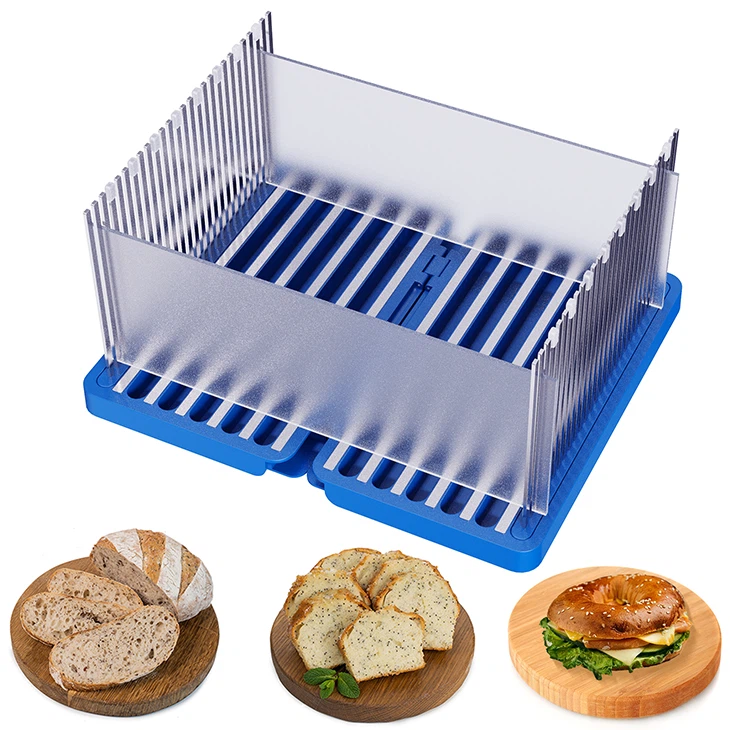
In home kitchens, deli meat slicers are becoming increasingly popular. They allow home cooks to slice their own meats and cheeses, which can be more cost - effective and healthier than buying pre - sliced products. Home cooks can also use the slicer to create unique dishes, such as homemade charcuterie boards. If you are interested in slicing bread as well, our Bread Slicer and Foldable Bread Slicer are great options.
Why Choose Our Deli Meat Slicers
As a deli meat slicer supplier, we take pride in offering high - quality products. Our slicers are made from the best materials, ensuring durability and long - term performance. We have a wide range of models to choose from, whether you are a small home user or a large commercial establishment.
Our slicers are designed with user - friendly features, such as easy - to - adjust thickness controls and smooth - operating carriages. We also provide excellent customer service, including installation, maintenance, and repair support.
If you are in the market for a deli meat slicer, we invite you to contact us for a purchase negotiation. We can help you select the right slicer for your needs and provide you with competitive pricing. Whether you need a single slicer for your home kitchen or multiple slicers for your commercial business, we are here to assist you.
References
- "Food Service Equipment and Supplies: A Comprehensive Guide" by John Doe
- "Commercial Kitchen Equipment Manual" by Jane Smith
- Manufacturer's manuals of various deli meat slicers