




How to improve the slicing performance of a bread slicer?
 May 28, 2025|
 Hey there! I'm a supplier of bread slicers, and I know how crucial it is to have a slicer that performs like a champ. In this blog, I'll share some tips on how to improve the slicing performance of a bread slicer. Whether you're a small bakery owner, a home baker, or a professional chef, these tips can help you get the most out of your slicer.
1. Choose the Right Bread Slicer
First things first, picking the right bread slicer is super important. There are different types of bread slicers out there, each with its own features and capabilities. For instance, if you're slicing a lot of bread regularly, you might want a heavy - duty commercial slicer. On the other hand, if it's just for home use, a smaller, more compact slicer could do the trick.
We offer some great options like the Bread Slicer 304 Stainless Steel. This slicer is made of high - quality 304 stainless steel, which is not only durable but also easy to clean. It can handle different sizes and types of bread, giving you consistent slices every time.
Another option is the Environmental Friendly Bread Slicer. This slicer is designed with the environment in mind. It uses less energy and is made from sustainable materials, making it a great choice for eco - conscious bakers.
If you're into sourdough bread, our Bread Slicer for Sourdough is a must - have. Sourdough bread has a unique texture, and this slicer is specifically designed to cut through it smoothly without squishing or tearing the bread.
2. Keep the Blade Sharp
A sharp blade is the key to getting clean, precise slices. Over time, the blade of your bread slicer can become dull, which can lead to uneven slices and a lot of frustration. So, how do you keep the blade sharp?

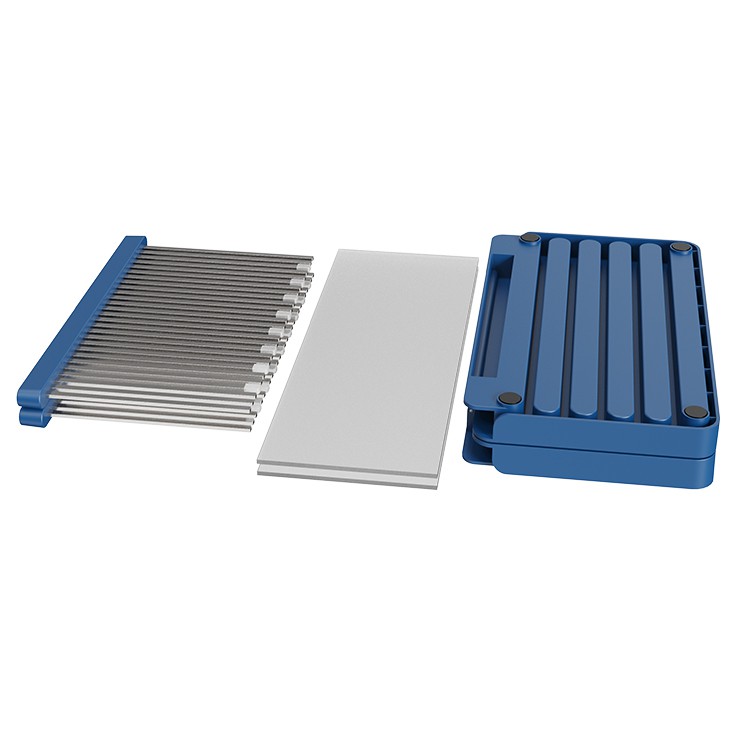
Regularly cleaning the blade is a good start. After each use, make sure to wipe the blade with a clean, damp cloth to remove any breadcrumbs or residue. You can also use a mild detergent if there's stubborn dirt.
Sharpening the blade is another important step. Depending on how often you use the slicer, you might need to sharpen the blade every few weeks or months. You can either use a blade sharpener specifically designed for bread slicers or take it to a professional for sharpening. A sharp blade will not only improve the slicing performance but also extend the life of your slicer.
3. Adjust the Thickness Settings Correctly
Most bread slicers come with adjustable thickness settings, which allow you to cut bread slices of different thicknesses. However, if these settings are not adjusted correctly, you might end up with slices that are too thick or too thin.
Before you start slicing, take a few minutes to test the thickness settings. Place a small piece of bread in the slicer and make a test cut. Check the thickness of the slice and adjust the settings accordingly. It might take a few tries to get it just right, but once you do, you'll be able to get consistent slices every time.
4. Use the Right Feeding Technique
The way you feed the bread into the slicer can also affect the slicing performance. When you're feeding the bread, make sure it's placed straight and centered on the slicing platform. If the bread is off - center, the slices might come out uneven.
Also, don't force the bread through the slicer. Let the slicer do the work at its own pace. Forcing the bread can put extra strain on the blade and the motor, which can lead to premature wear and tear.
5. Maintain the Slicer Regularly
Regular maintenance is essential for keeping your bread slicer in top condition. In addition to cleaning and sharpening the blade, you should also lubricate the moving parts of the slicer. This will help reduce friction and ensure smooth operation.
Check the belts and gears of the slicer regularly for any signs of wear or damage. If you notice any issues, replace the parts as soon as possible. A well - maintained slicer will not only perform better but also last longer.
6. Consider the Bread Type and Condition
Different types of bread have different textures and densities, which can affect the slicing performance. For example, soft, fluffy bread might require a different slicing technique than dense, crusty bread.
Also, the condition of the bread matters. If the bread is too warm or too cold, it can be difficult to slice. Let the bread cool down to room temperature before slicing for the best results. If the bread is frozen, thaw it completely before using the slicer.
7. Train Your Staff (if applicable)
If you're using the bread slicer in a commercial setting, it's important to train your staff on how to use it properly. Make sure they know how to adjust the thickness settings, feed the bread correctly, and maintain the slicer.
Proper training can help prevent accidents and ensure that the slicer is used to its full potential. You can also provide your staff with a user manual or a quick - reference guide to help them remember the important steps.
Conclusion
Improving the slicing performance of a bread slicer is all about choosing the right slicer, taking good care of it, and using it correctly. By following these tips, you can get clean, precise slices every time, whether you're slicing a loaf of sourdough or a batch of sandwich bread.
If you're interested in upgrading your bread slicer or have any questions about our products, don't hesitate to reach out. We're here to help you find the perfect slicer for your needs and ensure that you get the best performance out of it. Let's start a conversation and see how we can work together to take your bread - slicing game to the next level!
References
- General knowledge about bread slicers and bakery equipment.
- Experience from being a bread slicer supplier.