




What is the power consumption of an electric batter dispenser?
 Dec 24, 2025|
 As a supplier of batter dispensers, I often get asked about the power consumption of these nifty kitchen tools. It's a valid question, especially for businesses and home cooks who are conscious about energy usage and costs. In this blog post, I'll break down what affects the power consumption of an electric batter dispenser and give you a better idea of what to expect.
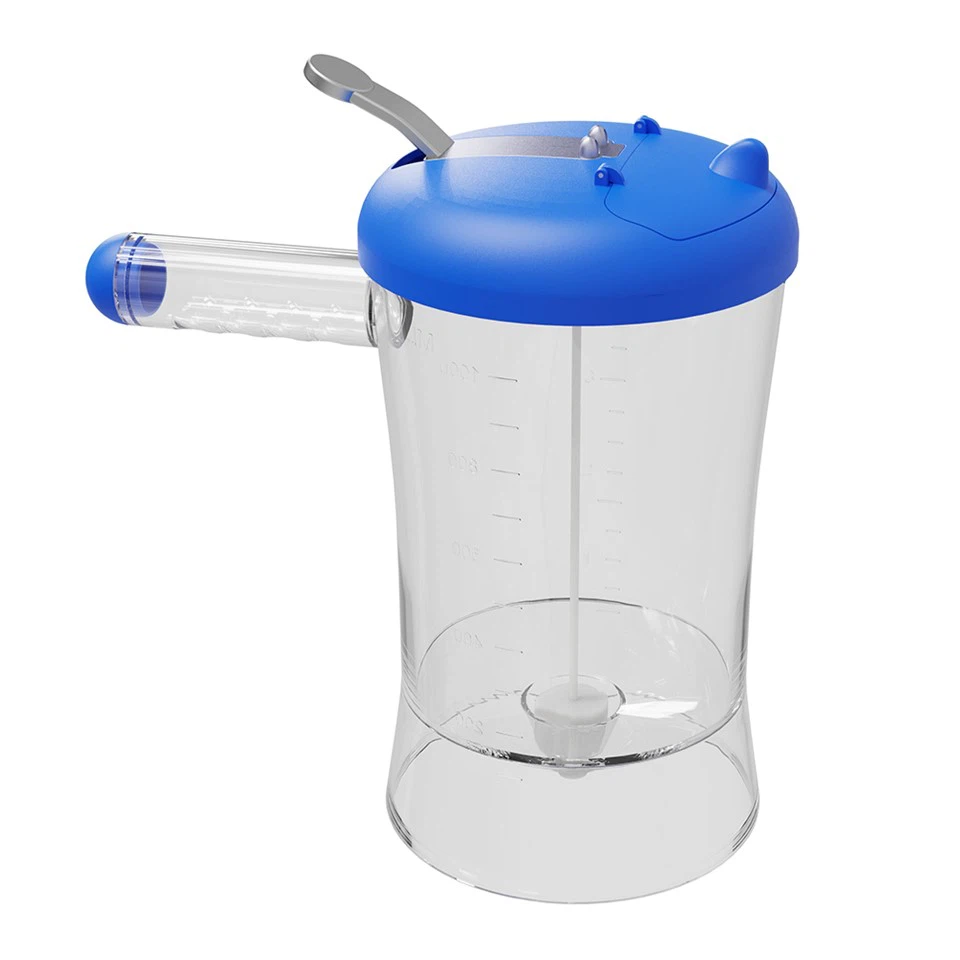
First off, let's understand what an electric batter dispenser is. It's a device designed to make dispensing batter for things like pancakes, waffles, muffins, and cakes a whole lot easier. Instead of using a ladle or a spoon, which can be messy and inaccurate, an electric batter dispenser does the job with precision and speed. There are different types of batter dispensers out there, from Thick Batter Dispenser for those thick, dense batters to Batter Dispenser with Durable Handle that offer more control and comfort during use.
Now, what determines the power consumption of an electric batter dispenser? Well, there are a few key factors to consider.
Motor Type and Power
The motor is the heart of any electric batter dispenser. It's what powers the mechanism that moves the batter from the container to the desired location. Different motors have different power ratings, usually measured in watts. A more powerful motor can handle thicker batters and dispense them faster, but it'll also consume more electricity.
For example, a basic batter dispenser with a small motor might have a power rating of around 50 - 100 watts. This type of dispenser is suitable for thin batters like crepe batter or a light pancake mix. On the other hand, a heavy-duty dispenser designed for thick dough and batters, like those used for making bread or deep - fried batter, could have a motor rated at 200 - 500 watts or even more.
If you're using a dispenser with a 100 - watt motor for about 10 minutes a day, you can calculate the energy consumption using the formula: Energy (in kilowatt - hours) = Power (in kilowatts) x Time (in hours). A 100 - watt motor is 0.1 kilowatts (since 1 kilowatt = 1000 watts). So, if you use it for 10 minutes (or 10/60 = 1/6 hours), the energy consumption is 0.1 x (1/6) = 0.0167 kilowatt - hours per day.
Usage Frequency and Duration
How often you use the batter dispenser and for how long also plays a big role in power consumption. If you're a home cook who only uses the dispenser once a week to make pancakes on the weekend, your power consumption will be quite low. But if you're a professional baker or a restaurant owner who uses the dispenser multiple times a day for several hours, the numbers can add up quickly.

Let's say you run a small cafe and use a 200 - watt batter dispenser for 2 hours every day. Using the same formula as above, with a 200 - watt (0.2 kilowatts) motor and 2 hours of use, the daily energy consumption is 0.2 x 2 = 0.4 kilowatt - hours. Over the course of a month (assuming 30 days), that's 0.4 x 30 = 12 kilowatt - hours.
Efficiency of the Machine
The efficiency of the batter dispenser also affects power consumption. A well - designed, high - quality dispenser will convert more of the electrical energy it consumes into useful work (dispensing the batter) and less into waste heat. Cheaper or older models might not be as efficient, meaning they use more electricity to do the same job.
Newer models often come with advanced features like variable speed settings and energy - saving modes. These features can help you optimize power consumption based on the type of batter you're using and the amount you need to dispense. For instance, if you're dispensing a small amount of a thin batter, you can set the dispenser to a lower speed, which uses less power than running it at full speed.
Comparing Power Consumption to Other Kitchen Appliances
To put the power consumption of an electric batter dispenser into perspective, let's compare it to some other common kitchen appliances. A standard microwave oven usually has a power rating of 700 - 1500 watts. A toaster oven can range from 800 - 1500 watts. In comparison, the power ratings of batter dispensers are relatively low.
This means that even if you use a batter dispenser regularly, its impact on your overall electricity bill is likely to be small. However, for businesses with multiple appliances running constantly, every bit of energy savings counts.
Tips to Reduce Power Consumption
If you're looking to reduce the power consumption of your electric batter dispenser, here are a few tips:
- Choose the Right Speed: As mentioned earlier, use the lowest speed setting that can still efficiently dispense your batter.
- Keep it Clean: A clean dispenser works more efficiently. Make sure to clean the motor and the dispensing mechanism regularly to prevent any buildup that could cause the motor to work harder and consume more power.
- Turn it Off When Not in Use: This might seem obvious, but it's easy to forget. Even if the dispenser is on standby, it could still be using a small amount of power.
Conclusion
In conclusion, the power consumption of an electric batter dispenser depends on several factors, including the motor type and power, usage frequency and duration, and the efficiency of the machine. While it's not a major power - hog compared to some other kitchen appliances, it's still important to be aware of how it uses energy, especially if you're using it frequently.
If you're in the market for an electric batter dispenser or looking to upgrade your current one, we've got a great selection to choose from. Whether you need a Thick Batter Dispenser or a Batter Dispenser with Durable Handle, we can help you find the right fit for your needs. Contact us to start a chat about your batter - dispensing requirements and let's work together to find the best solution for your kitchen.
References
- General knowledge on electrical appliances and energy consumption
- Manufacturer specifications of various batter dispensers