




What materials are thick batter dispensers made of?
 Oct 17, 2025|
 Hey there! As a supplier of Thick Batter Dispensers, I often get asked about what materials these handy kitchen tools are made of. Well, let's dive right into it and explore the different materials that go into making a top - notch thick batter dispenser.
Plastic
Plastic is one of the most common materials used in thick batter dispensers. It's lightweight, which makes it easy to handle, especially when you're working with large volumes of batter. You can whip up a big batch of pancake batter or muffin mix and move the dispenser around your kitchen without straining your arm.
There are different types of plastics used. For instance, polypropylene is a popular choice. It's durable and resistant to many chemicals, so it won't react with the batter you're using. Whether it's a sweet batter with lots of sugar or a savory one with spices, polypropylene can handle it.
Another advantage of plastic dispensers is that they're usually affordable. If you're a home cook on a budget or a small - scale bakery just starting out, a plastic Thick Batter Dispenser can be a great option. You can get a good - quality plastic dispenser at a fraction of the cost of some other materials.
However, plastic does have its drawbacks. Over time, it can scratch, and those scratches can harbor bacteria. So, it's important to clean your plastic dispenser thoroughly after each use. Also, if you expose it to very high temperatures, some plastics can warp or even release harmful chemicals. So, avoid using plastic dispensers in the oven or with extremely hot batters.
Stainless Steel
Stainless steel is a heavy - hitter in the world of thick batter dispensers. It's known for its durability. A stainless - steel dispenser can last you a lifetime if you take good care of it. It won't rust, even if it gets a little wet during cleaning. This makes it a great choice for commercial kitchens where there's a lot of use and abuse.
The smooth surface of stainless steel is not only easy to clean but also resistant to bacteria. You can just wipe it down, and it'll be ready for the next batch of batter. It also looks sleek and professional, which is a plus if you're using it in a restaurant or a bakery setting.
Stainless - steel dispensers can handle high - temperature batters without any issues. You can use them for things like hot doughnuts batter or thick cake batters straight from the mixer. They're also more resistant to dents and scratches compared to plastic.
But stainless steel comes with a higher price tag. It's more expensive to manufacture, so you'll pay more upfront for a stainless - steel Thick Batter Dispenser. Also, it's heavier than plastic, which might be a bit of a hassle if you need to move it around a lot.
Glass
Glass thick batter dispensers are a classic choice. They're transparent, which means you can easily see how much batter is left in the dispenser. This is really useful when you're portioning out batters for different recipes. You can tell exactly when you're running low and need to refill.
Glass is non - porous, so it won't absorb any odors or flavors from the batter. This is great if you're making different types of batters in the same dispenser. You won't have the taste of yesterday's chocolate cake batter lingering in your vanilla muffin batter.
It's also a very hygienic option. You can clean glass thoroughly in the dishwasher, and it won't harbor bacteria. Plus, it's a natural material, so there are no concerns about harmful chemicals leaching into your food.
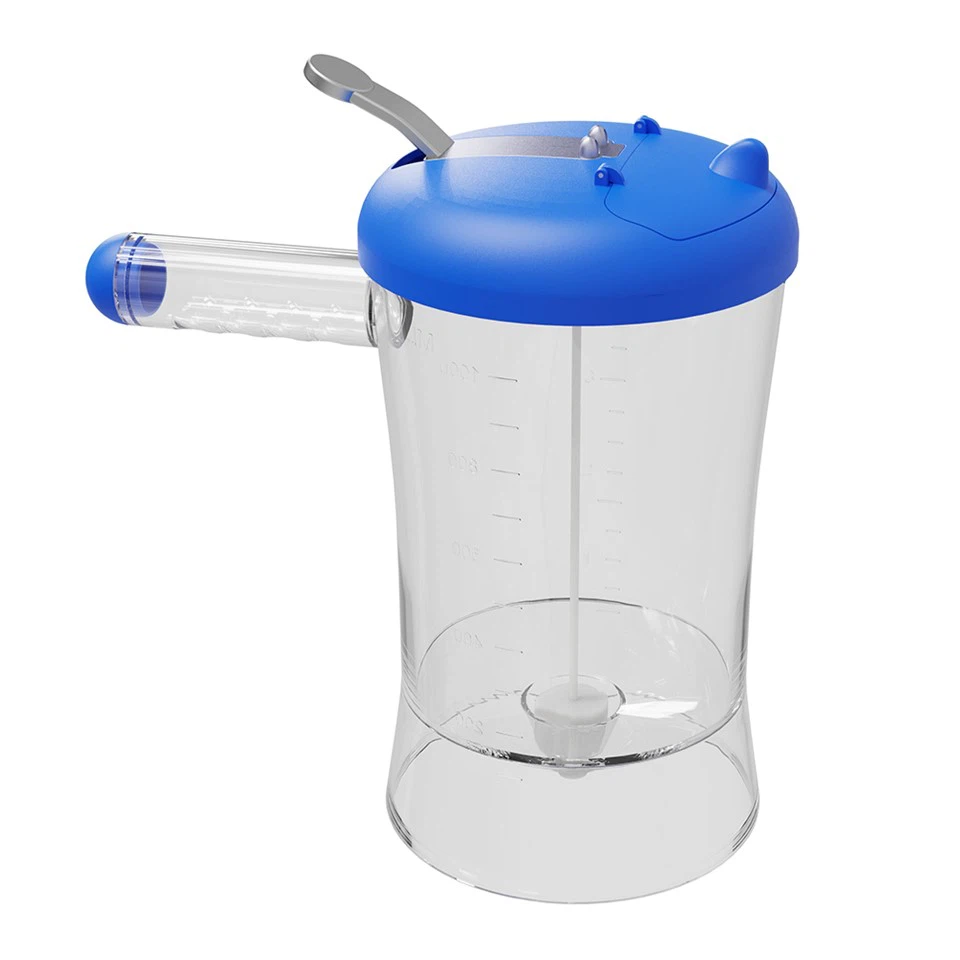

However, glass is fragile. It can break if you drop it, which can be a safety hazard. And it's heavier than plastic, so it might not be the best option if you're looking for something super - lightweight.
Silicone
Silicone has become a popular material for thick batter dispensers in recent years. It's flexible, which makes it easy to squeeze out every last bit of batter. You can really get into those corners and make sure you're not wasting any batter.
Silicone is heat - resistant, so you can use it with warm batters without worrying about it melting or deforming. It's also non - stick, which means the batter slides out easily. This is a huge plus when you're dealing with thick, sticky batters.
Cleaning silicone is a breeze. You can usually just rinse it under the tap, and most of the batter will come off. It's also dishwasher - safe in many cases.
But silicone can be a bit more expensive than plastic. And if you don't store it properly, it can get misshapen. It also doesn't have the same level of durability as stainless steel.
Other Materials in Components
Besides the main body of the dispenser, there are other components that are made of different materials. For example, the handle of a thick batter dispenser is an important part. A Batter Dispenser with Durable Handle can make a big difference in how easy it is to use the dispenser. Handles are often made of plastic or rubber for a comfortable grip. Plastic handles are lightweight and affordable, while rubber handles provide a better grip, especially if your hands are a bit wet.
The nozzle of the dispenser is also crucial. It can be made of plastic, stainless steel, or silicone. Plastic nozzles are common because they're inexpensive and can be molded into different shapes. Stainless - steel nozzles are more durable and can handle high - pressure dispensing. Silicone nozzles are flexible and can be bent to reach different angles.
Conclusion
So, there you have it! Different materials offer different advantages and disadvantages when it comes to thick batter dispensers. If you're a home cook, a plastic or glass dispenser might be a great choice. They're affordable and can meet your basic needs. If you're in a commercial kitchen, stainless steel is probably the way to go because of its durability and hygiene.
If you're interested in purchasing a thick batter dispenser or want to learn more about our products, feel free to reach out to us. We're here to help you find the perfect dispenser for your needs. Whether you're looking for something lightweight, durable, or with a specific feature, we've got you covered.
References
- Kitchenware Materials Handbook
- Studies on Food - Safe Materials for Cooking Utensils