




How long can pickles last in a container glass?
 May 19, 2025|
 Hey there! As a supplier of Pickle Container Glass, I often get asked about how long pickles can last in a container glass. It's a super important question, especially for those who love pickles and want to make sure they're getting the most out of their jars. So, let's dive right in and explore this topic!
The Basics of Pickle Preservation
First off, it's crucial to understand the science behind pickling. Pickles are made by immersing cucumbers or other vegetables in a solution of vinegar, water, salt, and various spices. The acidic environment created by the vinegar inhibits the growth of bacteria, mold, and yeast, which are the main culprits behind food spoilage. This is the primary reason why pickles have a relatively long shelf life compared to fresh vegetables.
But the type of container you use also plays a significant role in how long your pickles will last. That's where our Pickle Container Glass comes in. Glass is an excellent material for storing pickles because it's non-porous, which means it won't absorb any of the pickle juice or flavors. It also doesn't react with the acidic pickle solution, so it won't leach any harmful chemicals into your food.
Factors Affecting Pickle Shelf Life in Glass Containers
Now, let's talk about the factors that can affect how long pickles last in a glass container.

1. Storage Conditions
The way you store your pickles can have a huge impact on their shelf life. Ideally, pickles should be stored in a cool, dark place, away from direct sunlight and heat sources. Sunlight and heat can cause the pickle juice to expand and contract, which can lead to the jar breaking or the seal being compromised. A pantry or a cellar is a great place to store your pickles.
If you've opened a jar of pickles, it's best to store it in the refrigerator. The cold temperature in the fridge slows down the growth of bacteria and helps to preserve the pickles for a longer period. Once opened, pickles can typically last for several months in the fridge.
2. Quality of the Glass Container
The quality of the glass container is also important. Our Pickle Container Glass is made from high-quality glass that is thick and durable. It has a tight-fitting lid that creates an airtight seal, which helps to keep the pickles fresh and prevents them from spoiling.
On the other hand, if you use a cheap or poorly-made glass container, it may not have a proper seal, which can allow air and bacteria to enter the jar. This can cause the pickles to spoil more quickly.
3. Type of Pickles
Different types of pickles have different shelf lives. For example, fermented pickles, which are made using a natural fermentation process, can last for up to a year or more if stored properly. These pickles have a higher acidity level and contain beneficial bacteria, which helps to preserve them.
On the other hand, fresh-pack pickles, which are made by pickling vegetables in a vinegar solution, typically have a shorter shelf life. They can last for several months to a year, depending on the storage conditions.
Shelf Life of Pickles in Glass Containers
So, how long can pickles actually last in a glass container? Well, it depends on the factors we discussed above. Here's a general guideline:
- Unopened Pickles: Unopened pickles can last for up to 1-2 years if stored in a cool, dark place. Our Pickle Container Glass helps to extend the shelf life of pickles by providing a protective barrier against air, light, and moisture.
- Opened Pickles: Once opened, pickles should be stored in the refrigerator. They can last for several months to a year, depending on the type of pickles and the storage conditions. It's important to check the pickles regularly for signs of spoilage, such as mold, a foul odor, or a change in color or texture.
Tips for Extending the Shelf Life of Pickles
If you want to make your pickles last even longer, here are some tips:

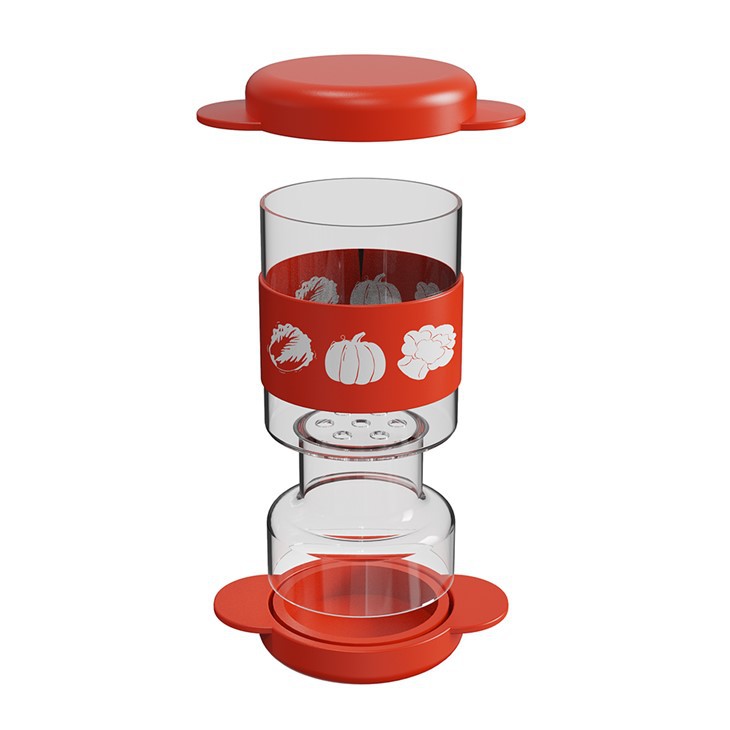
- Use a Pickle Juice Separator for Kitchen: This handy tool allows you to separate the pickle juice from the pickles, which can help to keep the pickles fresh for a longer period. You can also use the pickle juice to make other recipes, such as salad dressings or marinades.
- Keep the Pickles Submerged: Make sure the pickles are completely submerged in the pickle juice at all times. This helps to prevent the growth of bacteria and mold.
- Don't Overfill the Jar: Leave some space at the top of the jar to allow for expansion. If the jar is too full, the pickle juice may overflow when the jar is opened, which can compromise the seal.
- Use a Pickle Jar with Airtight Lid: An airtight lid helps to keep the pickles fresh by preventing air and moisture from entering the jar. Our Pickle Jar with Airtight Lid is designed to provide a tight seal, which helps to extend the shelf life of your pickles.
Conclusion
In conclusion, pickles can last for a long time in a glass container if stored properly. Our Pickle Container Glass is the perfect choice for storing pickles because it's made from high-quality glass and has a tight-fitting lid that creates an airtight seal. By following the tips we discussed in this blog post, you can extend the shelf life of your pickles and enjoy them for months or even years to come.
If you're interested in purchasing our Pickle Container Glass, Pickle Juice Separator for Kitchen, or Pickle Jar with Airtight Lid, please feel free to reach out to us for more information. We'd love to discuss your specific needs and help you find the perfect products for your business.
References
- "Pickling and Canning: A Guide to Preserving Food." The National Center for Home Food Preservation.
- "How to Store Pickles." The Spruce Eats.